
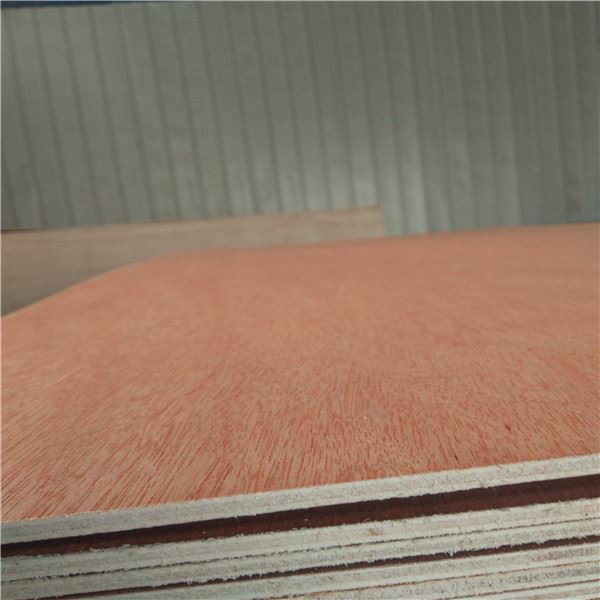
Plywood is one of the most widely used engineered wood materials in furniture manufacturing and interior construction. Manufacturers produce plywood by bonding thin wood veneers together under heat and pressure. This layered structure gives the panel strong mechanical performance and excellent dimensional stability.
Because of its durability and versatility, plywood plays an important role in cabinets, decorative panels and structural furniture components. It also works well with modern building materials such as WPC wall panels and other engineered decorative surfaces used in contemporary interiors.
What Is Plywood?
Plywood is an engineered wood panel made by stacking thin sheets of wood veneer in alternating grain directions. Manufacturers glue these layers together using industrial adhesives and apply heat and pressure during production.
This cross-laminated structure increases the strength of the board while reducing the natural movement of wood. As a result, plywood remains more stable than solid wood when exposed to changes in humidity or temperature.
Structure of Plywood Panels
Cross-Laminated Veneer Layers
The most important principle of plywood manufacturing is cross lamination. Each veneer layer runs perpendicular to the next one. This configuration distributes internal stress evenly throughout the panel.
Thanks to this structure, plywood offers excellent bending strength and resistance to cracking.
Adhesive Bonding Technology
Manufacturers use specialized adhesives to bond the veneer layers. The type of adhesive determines the moisture resistance and durability of the panel.
International testing standards published by organizations such as ASTM International help evaluate the performance of wood-based panels used in construction and furniture manufacturing.
Why Plywood Is Widely Used in Furniture
Dimensional Stability
The layered structure of plywood limits expansion and shrinkage. This stability makes it ideal for cabinets, tables and wardrobes.
High Strength-to-Weight Ratio
Plywood panels provide strong structural support while remaining relatively lightweight compared with solid wood boards.
Versatile Applications
Manufacturers use plywood in furniture frames, decorative surfaces, shelving and interior wall panels.
Compatibility With Modern Materials
Plywood also integrates well with modern decorative products such as PVC marble sheets or engineered flooring like SPC flooring, which are widely used in modern interior design projects.
Common Applications of Plywood
Furniture manufacturers rely on plywood to produce cabinets, drawers, desks and shelving units. Designers also use decorative plywood panels for interior architecture and wall cladding.
In addition, plywood serves as a structural material in packaging, transportation crates and building construction.
Conclusion
Plywood remains one of the most practical materials used in furniture manufacturing. Its layered structure improves strength, stability and durability compared with solid wood.
Because of these advantages, furniture manufacturers, interior designers and construction professionals continue to rely on plywood for a wide range of applications.
