
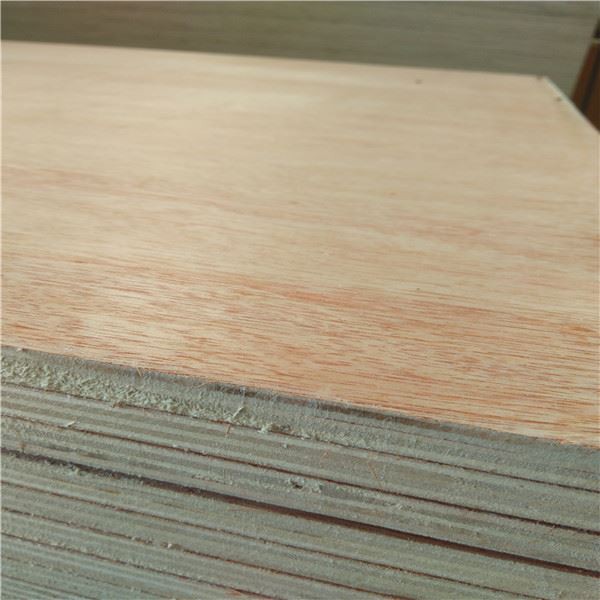
Plywood is one of the most versatile engineered wood materials used in construction, furniture manufacturing and interior decoration. Manufacturers produce plywood by bonding multiple layers of thin wood veneer together under heat and pressure. Each veneer layer is placed with the grain running perpendicular to the next layer, which improves the panel’s strength and stability.
Because of this cross-laminated structure, plywood offers excellent durability and resistance to warping. It is widely used in cabinets, furniture frames, decorative panels and structural applications. In modern construction projects, plywood often works alongside materials such as WPC wall panels and engineered surfaces used for interior and exterior finishing.
Main Types of Plywood
Plywood panels are generally classified according to their moisture resistance and intended use. The three main categories include exterior plywood, interior plywood and non-structural plywood.
Exterior Plywood (Class I)
Exterior plywood is designed for outdoor environments where panels may be exposed to rain, humidity or direct weather conditions. Manufacturers use waterproof adhesives and durable wood veneers to ensure long-term performance.
This type of plywood is commonly used in construction, outdoor furniture and building structures that require high moisture resistance.
Interior Plywood (Class II)
Interior plywood is suitable for indoor environments where panels are not exposed to heavy moisture. It can tolerate occasional humidity but should not remain submerged in water.
Manufacturers widely use this type of plywood in furniture production, cabinets, shelving units and decorative interior applications.
Non-Structural Plywood (Class III)
Non-structural plywood is designed mainly for decorative or light interior applications. It is not intended for high-load structural use but remains useful for interior wall panels and lightweight furniture components.
Common Applications of Plywood
Furniture Manufacturing
Furniture manufacturers use plywood for cabinets, wardrobes, desks and shelving because of its strength and dimensional stability.
Interior Decoration
Plywood panels are also used in decorative wall panels, ceilings and interior architecture projects. Designers often combine plywood surfaces with materials such as PVC marble sheets to create modern decorative interiors.
Construction and Packaging
Plywood plays an important role in construction for concrete formwork, structural boards and transportation packaging.
Advantages of Plywood
High Structural Strength
The cross-grain structure distributes mechanical stress evenly throughout the panel, improving strength compared with solid wood boards.
Dimensional Stability
Plywood resists expansion and shrinkage caused by changes in temperature and humidity.
Wide Range of Applications
Plywood panels support many industries, including construction, furniture production and interior decoration. In modern building projects, plywood is often used together with engineered materials such as SPC flooring.
Conclusion
Different types of plywood are designed for different applications depending on moisture resistance, strength and decorative requirements. Understanding these classifications helps builders, designers and manufacturers select the most suitable plywood for their projects.
Because of its versatility and structural performance, plywood remains one of the most widely used materials in modern construction and furniture manufacturing.