
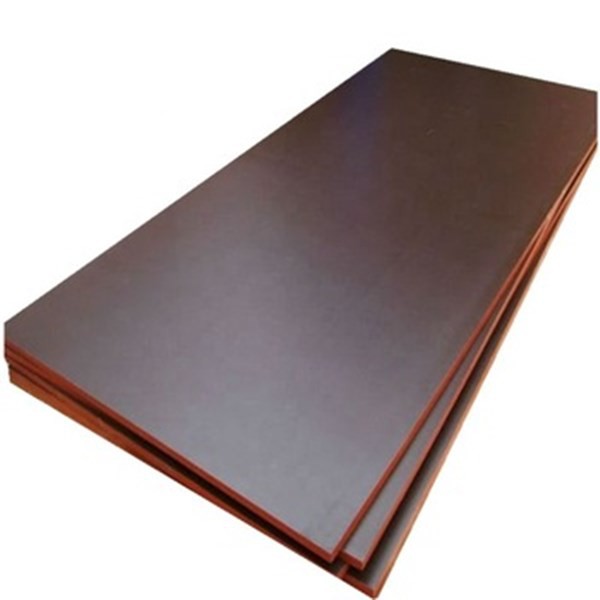
Formwork deformation is a common issue in concrete construction. Formwork systems must support fresh concrete loads while maintaining precise structural dimensions. When the support system or installation process is incorrect, deformation may occur and affect the quality of the structure.
Understanding the causes of formwork deformation helps construction teams improve installation methods and maintain structural safety. In addition, proper design and inspection procedures reduce the risk of structural defects during concrete pouring.
In many modern projects, concrete structures later combine with finishing materials such as WPC wall panels or decorative surfaces like PVC marble sheets for interior design.
Main Causes of Formwork Deformation
Improper Installation of Formwork Systems
Incorrect installation is one of the main reasons for formwork deformation. If workers fail to follow design specifications or construction standards, the formwork structure may not provide sufficient support.
For example, loose connections or missing reinforcement elements can reduce the overall stability of the formwork system.
Weak Foundation Support
The formwork structure must rest on a stable and well-prepared foundation. If the supporting surface is uneven or poorly compacted, the structure may shift under load.
Consequently, the pressure of fresh concrete may cause bending or displacement of the formwork panels.
Low Strength of Support Components
Support columns, beams and connectors must have adequate strength to carry construction loads. If the materials used are weak or poorly manufactured, the support system may deform during concrete pouring.
Excessive Concrete Pouring Speed
When workers pour concrete too quickly, the pressure on the formwork system increases rapidly. As a result, the structure may experience excessive stress that leads to deformation.
Solutions to Prevent Formwork Deformation
Accurate Formwork Installation
Construction teams should follow engineering drawings and installation procedures carefully. Proper alignment of support systems helps maintain the stability of the structure.
Improved Support System Design
Engineers should design support structures capable of resisting both vertical loads and lateral pressure from fresh concrete.
Controlled Concrete Pouring
Workers should control the pouring speed to reduce pressure on the formwork system. In addition, supervisors should monitor the structure during the pouring process.
Regular Structural Inspection
Frequent inspections help detect structural weaknesses before serious deformation occurs. If instability appears, workers must reinforce the support system immediately.
Applications in Modern Construction
Formwork systems remain essential in residential buildings, commercial structures and infrastructure projects. After the concrete structure is completed, builders often install finishing materials such as SPC flooring to complete interior construction.
Conclusion
Formwork deformation can seriously affect construction quality and safety. However, proper installation, strong support systems and controlled construction processes help reduce these risks.
By following correct engineering practices, construction teams can ensure reliable and durable concrete structures.