
What Is Melamine Board? Introduction and Applications
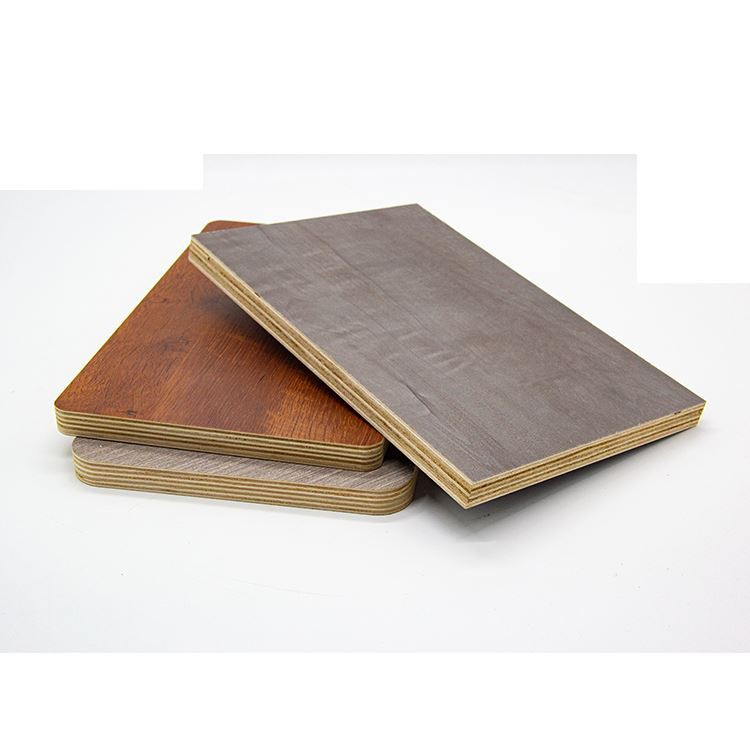
Melamine board is a widely used decorative panel in furniture manufacturing and interior construction. It consists of a base board, such as plywood or particle board, covered with a decorative melamine paper layer. This surface treatment improves durability, moisture resistance and appearance. Therefore, melamine board is commonly used in cabinets, office furniture and interior wall panels. In modern interior design projects, melamine panels often work alongside materials such as WPC wall panels or decorative surfaces like PVC marble sheets. What Is Melamine Board? Melamine board is an engineered wood panel covered with decorative paper impregnated with melamine resin. During manufacturing, the paper layer is pressed onto the board surface under high temperature and pressure. This process creates a durable decorative surface that resists scratches, stains and wear. Materials Used in Melamine Boards The core material of melamine board can be plywood, MDF or particle board. Each core material offers different structural properties depending on the intended application. The melamine resin layer provides protection and decorative finishes, including wood grain textures, solid colors and patterned surfaces. Advantages of Melamine Boards Melamine board offers several advantages compared to traditional wood panels. The surface is resistant to scratches and stains, making it suitable for furniture and interior surfaces. In addition, the manufacturing process allows a wide range of decorative designs and textures. Common Applications of Melamine Board Melamine boards are widely used in furniture manufacturing, office interiors and cabinet production. They provide durable surfaces while maintaining an attractive appearance. In many modern interiors, melamine panels are used together with materials such as SPC flooring to create durable and decorative interior environments. Conclusion Melamine board is a versatile engineered wood product widely used in furniture and interior decoration. Its durable decorative surface and cost-effective production make it a popular choice for modern interior design and construction applications. With proper material selection and manufacturing processes, melamine boards provide reliable performance and long-lasting decorative quality.
Performance Characteristics of MDF Board
MDF board characteristics make this engineered wood panel widely used in furniture manufacturing and interior decoration. Medium Density Fiberboard (MDF) is produced from wood fibers bonded with resin under high pressure and temperature. This manufacturing process creates a smooth and uniform board structure. As a result, MDF panels offer stable performance and excellent surface quality for decorative applications. In many interior design projects, MDF panels are used alongside materials such as WPC wall panels or decorative finishes like PVC marble sheets. Main MDF Board Characteristics The surface of MDF boards is smooth, dense and uniform. This structure allows paints, coatings and decorative finishes to be applied easily. In addition, MDF panels provide good dimensional stability and a firm board edge that can be machined with precision. Decorative Surface Compatibility Another important MDF board characteristic is its compatibility with various decorative materials. Wood veneers, decorative papers, PVC films and melamine layers can be applied to the surface. This versatility allows MDF to be used in many interior design and furniture applications. Machining and Processing Advantages MDF boards are easy to cut, drill and shape during manufacturing. The uniform internal structure ensures consistent machining results and smooth edges. This property makes MDF suitable for detailed furniture components and decorative panels. Acoustic and Structural Properties High-density MDF boards can also be used to produce sound-absorbing panels. These panels are often used in architectural decoration and interior acoustic design. The stable material structure helps maintain consistent performance across large panel surfaces. Applications of MDF Boards MDF boards are commonly used in cabinets, office furniture, wall panels and decorative interior structures. Their smooth surface and consistent density make them ideal for painted or laminated finishes. In modern interiors, MDF panels may also be combined with flooring materials such as SPC flooring to create durable interior environments. Conclusion MDF board characteristics such as smooth surface, stable structure and easy processing make this material popular in furniture and interior design industries. With proper finishing and manufacturing techniques, MDF boards provide reliable performance and decorative flexibility.
What Material Is Best for Cabinet Door Panels?
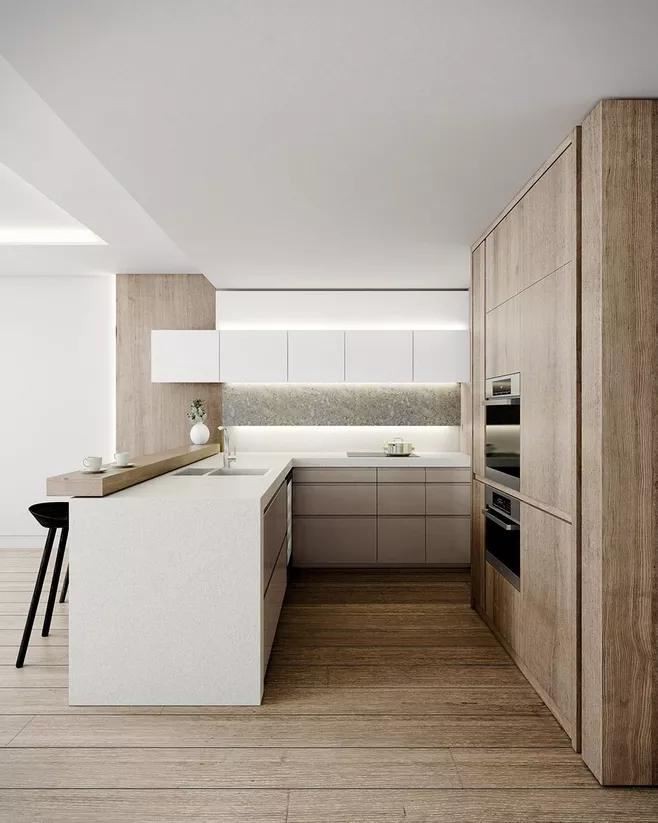
Choosing the right cabinet door panel materials is essential for durability, appearance and long-term performance in kitchen and furniture design. Different materials provide different advantages depending on style, budget and manufacturing requirements. Manufacturers commonly use solid wood, UV boards and melamine panels for cabinet door production. Each option offers unique structural properties and decorative finishes. In modern interior design, cabinet door panels are often combined with materials such as WPC wall panels or decorative surfaces like PVC marble sheets. Solid Wood Cabinet Door Panels Solid wood remains one of the most traditional cabinet door panel materials. It provides natural texture, strong structural stability and a premium decorative appearance. However, solid wood may be more expensive than engineered wood alternatives and requires proper maintenance to prevent deformation. UV Board Cabinet Panels UV boards are another popular cabinet door panel material. These panels are coated with ultraviolet cured paint that creates a smooth and durable surface. UV board panels offer good resistance to scratches, moisture and discoloration, making them suitable for kitchen cabinets and modern furniture. Melamine Cabinet Door Panels Melamine panels are widely used for cabinet door manufacturing because of their durability and decorative flexibility. The surface layer consists of decorative paper impregnated with melamine resin. This manufacturing process creates a hard, scratch-resistant surface with many available colors and patterns. Advantages of Engineered Door Panels Engineered wood panels such as MDF and melamine boards provide stable material structure and consistent surface quality. These materials are easy to process during furniture manufacturing. They also allow manufacturers to produce cabinet doors with modern finishes and consistent dimensions. Applications in Modern Interior Design Cabinet door panels are widely used in kitchens, wardrobes and office furniture. In modern interiors, these panels are often combined with materials such as SPC flooring to create durable and visually appealing spaces. Conclusion Selecting the right cabinet door panel materials depends on design requirements, budget and durability expectations. Solid wood, UV boards and melamine panels each provide specific advantages for furniture and cabinet manufacturing. Understanding these materials helps manufacturers and designers create functional and attractive interior solutions.
Multi Layer Solid Wood Panels Explained
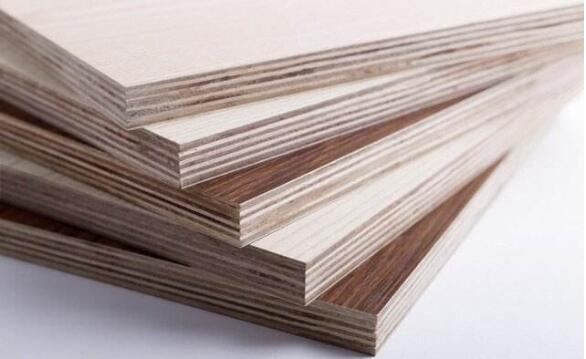
Multi layer solid wood panels combine several natural wood veneers to create a stable engineered board. Manufacturers glue and press these layers together to improve strength and reduce deformation. As a result, furniture factories and interior designers often choose this material for cabinets, wardrobes and decorative panels. Manufacturing Process Manufacturers place thin wood veneers in alternating grain directions. Then they apply adhesive and press the layers under high pressure. This cross layered structure increases stability. It also reduces the risk of warping or cracking during long term use. Main Advantages First, the layered structure improves structural strength. In addition, the panels maintain good dimensional stability even in changing humidity conditions. Furthermore, the surface keeps the natural appearance of wood. Therefore it works well for visible furniture parts and decorative panels. Applications in Interior Design Furniture manufacturers use these panels for cabinets, wardrobes and interior wall elements. Designers also combine them with materials such as WPC wall panels. In modern interiors, decorative surfaces like PVC marble sheets often complement these wood panels. Environmental Performance Many factories now use low emission adhesives. Consequently, modern panels meet strict environmental standards for indoor use. Because of these properties, they suit residential furniture as well as commercial interior projects. Conclusion Multi layer solid wood panels provide stability, durability and natural appearance. For this reason, they remain a reliable material for modern furniture and interior construction.
Spanish Plywood Manufacturer Garnica Plywood Reportedly For Sale
Spanish plywood manufacturer Garnica Plywood may soon change ownership. According to Spanish media reports, investment fund ICG has started exploring a potential sale of the company. The transaction could value Garnica Plywood at around 500 million euros. If confirmed, the deal would represent one of the most important movements in the European plywood industry this year. Background of the Investment ICG acquired Garnica in 2016. At that time, the investment group valued the company at approximately 250 million euros including equity and debt. Since then, the company has expanded its international presence. As a result, its valuation has significantly increased. A Major Player in the Plywood Industry Garnica mainly produces industrial plywood used in furniture manufacturing, construction and interior applications. Because of its global distribution network, the company supplies customers across Europe, North America and Asia. Growth of the Engineered Wood Market The global plywood market continues to grow due to strong demand for engineered wood materials. Manufacturers increasingly use these panels in construction and interior design projects. For example, materials such as PVC marble sheets and WPC wall panels are often combined with plywood structures in modern buildings. What Could Happen Next Financial advisors are currently evaluating potential buyers. Therefore, industry observers expect several international investors to show interest in the company. If the sale moves forward, the transaction could reshape competition in the global plywood sector. Conclusion The potential sale of Garnica Plywood highlights the growing value of engineered wood manufacturers. At the same time, it reflects strong global demand for plywood and related construction materials.
Film Faced Plywood: Features, Sizes and Applications
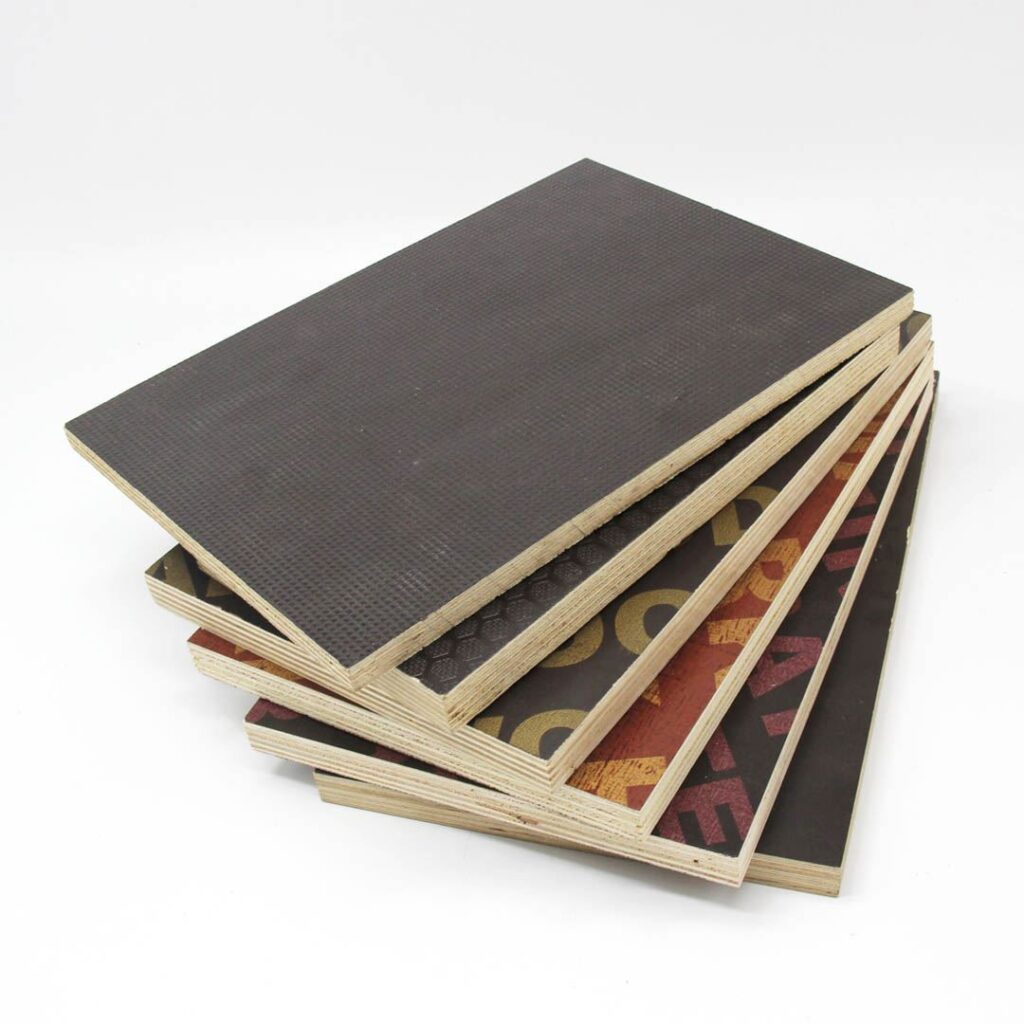
Film faced plywood is a high strength plywood panel coated with a waterproof film on the surface. Manufacturers use these panels widely in construction because they provide durability, moisture resistance and smooth concrete finishes. The surface film usually comes in different colors such as black film, brown film, red film or golden film. This protective layer improves water resistance and increases the panel lifespan. Main Characteristics First, film faced plywood offers excellent waterproof performance. In addition, the protective film reduces surface damage during repeated use in construction projects. Furthermore, the panel structure provides strong load capacity. As a result, builders often use it for concrete formwork systems. Standard Sizes and Specifications Manufacturers commonly produce panels with sizes such as 1220×2440 mm or 1250×2500 mm. Thickness options usually range from 12 mm to 25 mm depending on the project requirements. Customers can also request custom logos printed on the film surface for branding purposes. Core Materials Different core materials are available depending on the plywood quality level. Poplar core plywood is common for general construction use. However, higher quality panels may use mixed hardwood cores or full hardwood structures for better strength and durability. Applications in Construction Contractors frequently use film faced plywood for concrete formwork systems, wall casting and slab construction. In addition, modern construction projects often combine plywood structures with materials such as WPC wall panels or decorative surfaces like PVC marble sheets. Conclusion Film faced plywood remains an essential material in the construction industry. Because of its waterproof surface and strong structure, it delivers reliable performance in demanding building environments.
Film Faced Plywood Core Types Explained
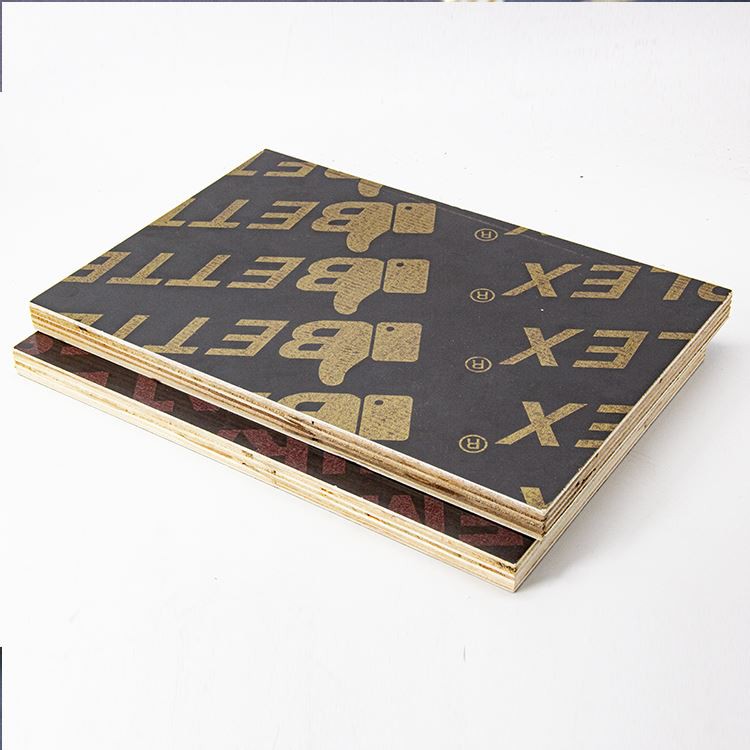
Film faced plywood panels use different core structures depending on quality level and project requirements. The internal core strongly influences strength, durability and the number of times the panel can be reused. Manufacturers typically offer several core types for construction plywood panels. Each option provides different performance and cost advantages. Joint Core Plywood The joint core panel uses recycled wood materials joined together to create the plywood core. This type of core reduces production cost while still providing acceptable structural performance. Because of this structure, joint core panels are generally suitable for projects with limited reuse cycles. Finger Joint Core Plywood Finger joint core plywood uses smaller wood blocks connected with finger shaped joints. This technique improves structural stability compared with simple joint core panels. As a result, builders often choose finger joint core panels for medium duty concrete formwork applications. Full Hardwood Core Full hardwood core panels represent the highest quality option. Manufacturers use complete hardwood veneers throughout the core structure. This construction increases panel strength and durability. Therefore the plywood can withstand multiple reuse cycles in demanding construction environments. Performance in Concrete Formwork The quality of the plywood core directly affects concrete surface results. Higher quality cores produce smoother finishes and allow more reuse cycles. In addition, contractors often combine plywood formwork systems with materials such as WPC wall panels or decorative surfaces like PVC marble sheets in modern construction projects. Conclusion Choosing the right film faced plywood core depends on project requirements, budget and durability expectations. Joint core panels provide economical solutions, while hardwood core panels deliver maximum strength and longer service life.
Moisture Resistant MDF Panels for South American Market
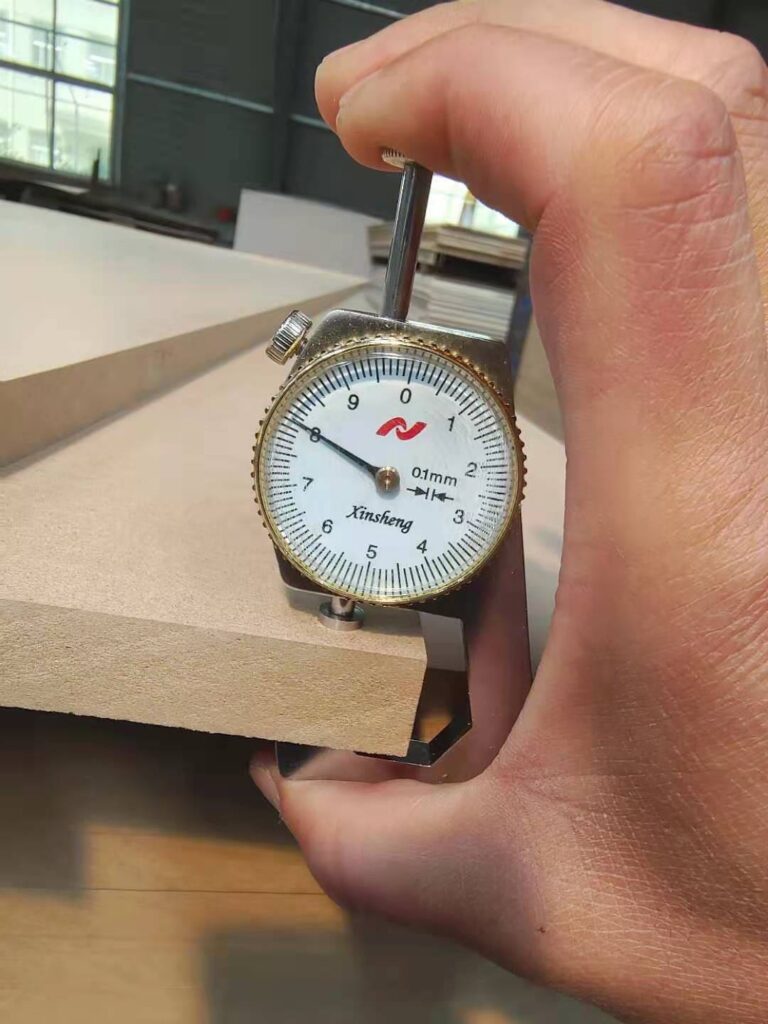
XHWOOD has recently expanded its product supply to international markets. The company now exports high quality MDF panels designed for furniture manufacturing and interior construction. These panels are produced in the standard size of 1220 × 2800 mm. This format is widely used by cabinet makers, furniture manufacturers and interior contractors. Product Specifications The boards provide excellent dimensional stability and a smooth surface suitable for decorative finishes. Manufacturers often apply laminates, paint or veneer to create finished furniture components. In addition, the panels offer reliable structural performance for interior applications such as cabinets, wardrobes and wall panels. Applications in Interior Projects Furniture factories commonly use these MDF boards to produce kitchen cabinets, office furniture and storage systems. Because of their smooth surface, the panels allow consistent finishing results. Modern interior projects often combine engineered wood panels with decorative materials such as PVC marble sheets or structural panels like WPC wall panels. Growing Demand in South America The South American market continues to increase demand for engineered wood materials. Therefore suppliers are expanding their export capacity to meet the needs of furniture factories and construction companies. For additional information about MDF technology you can also read the technical overview on Medium-density fibreboard. Conclusion High quality MDF panels remain an essential material for modern furniture production and interior design. With stable quality and consistent dimensions, these boards support a wide range of applications in global markets.
18mm Phenolic Film Faced Plywood for Concrete Formwork
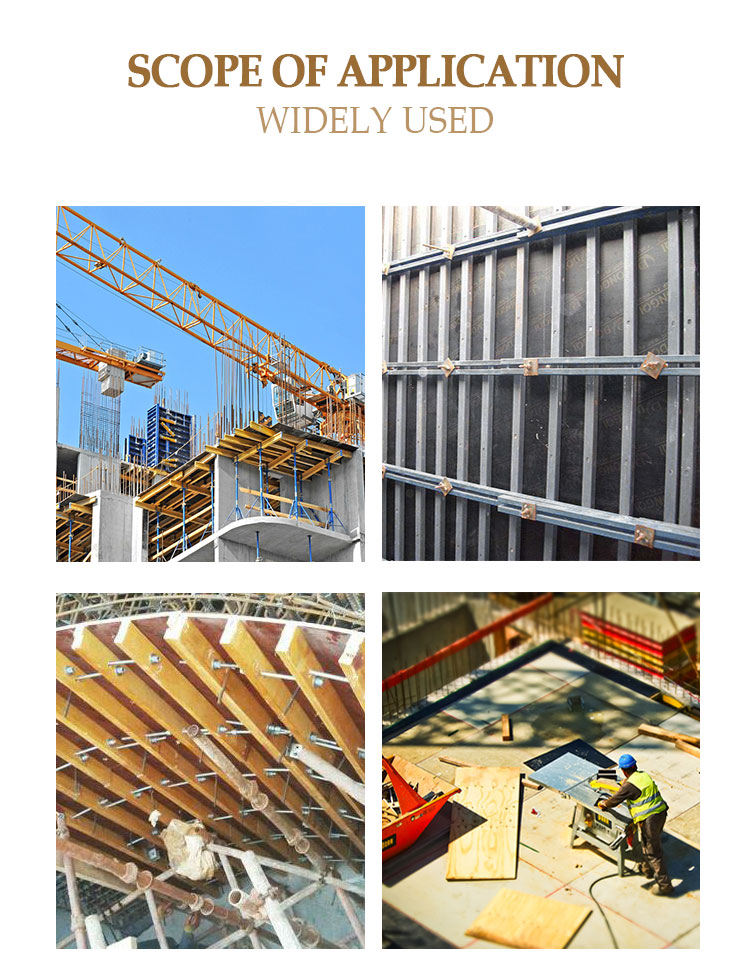
18mm film faced plywood is widely used in construction projects for concrete formwork and shuttering systems. The panel surface is coated with a durable phenolic film that improves water resistance and allows repeated reuse on building sites. Because of its strong structure and smooth surface, this plywood panel helps create clean and consistent concrete finishes. Main Characteristics The phenolic coating protects the plywood surface against moisture, abrasion and construction site wear. As a result, contractors can reuse the panels multiple times during concrete casting projects. In addition, the 18 mm thickness provides excellent structural stability and load capacity for formwork systems. Common Specifications Manufacturers typically produce panels in standard sizes such as 1220 × 2440 mm or 1250 × 2500 mm. These formats are compatible with most construction formwork systems. The internal core structure may include poplar core, mixed hardwood core or full hardwood core depending on the required durability level. Applications in Construction Builders frequently use these panels for wall casting, slab formwork and structural concrete molds. The smooth film surface allows concrete to release easily after curing. Furthermore, construction projects often combine plywood formwork systems with other building materials such as WPC wall panels or decorative surfaces like PVC marble sheets. Advantages for Contractors High quality film faced plywood panels offer strong durability, stable dimensions and efficient performance on construction sites. Because of these advantages, contractors rely on this material for large scale building projects and infrastructure construction. Conclusion 18mm film faced plywood remains one of the most reliable materials for concrete formwork systems. Its phenolic coating, structural strength and reusability make it ideal for demanding construction environments.
Dubai WoodShow 2023: International Wood and Woodworking Exhibition

Dubai WoodShow 2023 is one of the most important international exhibitions for the wood and woodworking industry. The event will take place from March 7 to March 9 at the Dubai World Trade Centre in the United Arab Emirates. Every year the exhibition attracts manufacturers, suppliers and buyers from around the world. As a result, the event has become a major meeting point for companies involved in wood processing and woodworking technologies. About Dubai WoodShow Dubai WoodShow focuses on the latest innovations in wood processing machinery, engineered wood materials and woodworking equipment. In addition, the exhibition allows companies to present new technologies, products and manufacturing solutions for the global wood industry. International Industry Platform The event connects professionals from construction, furniture manufacturing and interior design sectors. Therefore it offers valuable opportunities for networking and international cooperation. Many companies also showcase modern building materials such as WPC wall panels and decorative surfaces like PVC marble sheets. Event Location The exhibition takes place at the Dubai World Trade Centre, one of the largest exhibition venues in the Middle East. Visitors can explore a wide range of wood products, woodworking machinery and interior construction materials. XHWOOD Participation XHWOOD participates in international exhibitions to present its latest panel products and engineered wood materials. The company focuses on supplying high quality wall panels, PVC decorative boards and other interior materials. These events allow XHWOOD to connect with global partners and expand its presence in international markets. Conclusion Dubai WoodShow 2023 continues to play an important role in the global wood industry. The exhibition offers companies a valuable platform to showcase innovations and develop new business opportunities.
