
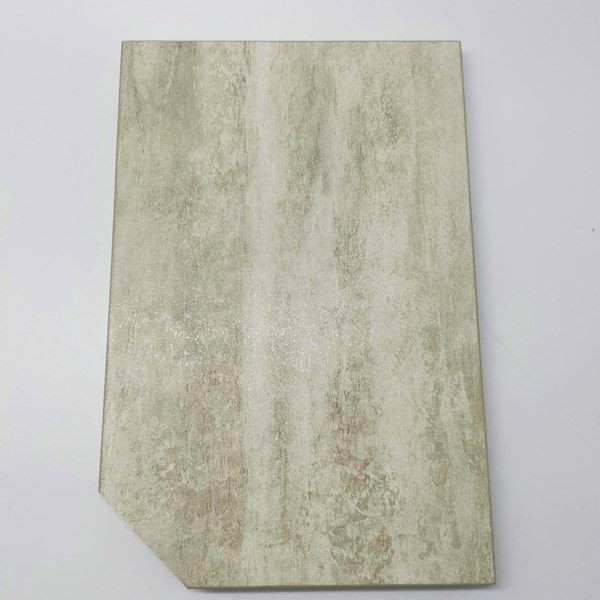
Wood based panels play an important role in modern construction and furniture production. Manufacturers produce these engineered boards by bonding wood layers, particles or fibers with adhesive under pressure and heat.
As a result, these panels provide strong, stable and cost-efficient alternatives to solid wood. Builders and furniture manufacturers use them in many applications because they offer consistent quality and reliable mechanical properties.
Today, designers often combine these materials with solutions such as WPC wall panels or decorative surfaces like PVC marble sheets to create modern interiors.
What Are Wood Based Panels?
Wood based panels are engineered boards made from natural wood components. Manufacturers transform wood into veneers, fibers or particles before pressing them into flat panels.
Because of this process, the boards offer better dimensional stability than solid timber. In addition, they allow efficient use of forest resources.
Types of Wood Based Panels
Plywood Panels
Plywood panels consist of thin veneer layers glued together with alternating grain directions. This cross-layer structure improves strength and reduces deformation.
Particle Board Panels
Particle board contains small wood particles pressed with adhesive resin. Manufacturers mainly use this material in cabinets, furniture structures and interior fittings.
MDF Panels
Medium Density Fiberboard uses fine wood fibers compressed with resin. Because of its smooth surface, MDF works well for painted finishes and decorative laminates.
Applications of Engineered Wood Panels
Construction Projects
Builders use engineered panels for wall systems, flooring structures and architectural elements. Their stability helps maintain structural performance over time.
Furniture Manufacturing
Furniture factories rely on engineered panels to produce wardrobes, tables and cabinets. Decorative finishes give these boards the appearance of natural wood.
Interior Design
Interior designers frequently combine these boards with modern materials such as SPC flooring. Consequently, they can create durable and contemporary interior spaces.
Quality Standards for Wood Panels
International organizations define testing methods and performance standards for wood panels. For example, institutions such as ISO and ASTM publish guidelines used by manufacturers worldwide.
These standards evaluate bonding strength, moisture resistance and environmental safety.
Conclusion
Engineered wood boards remain essential materials in modern construction and furniture manufacturing. They combine natural wood resources with industrial technology to create stable and versatile panels.
Therefore, these materials will continue to play a major role in sustainable building and interior design.
