
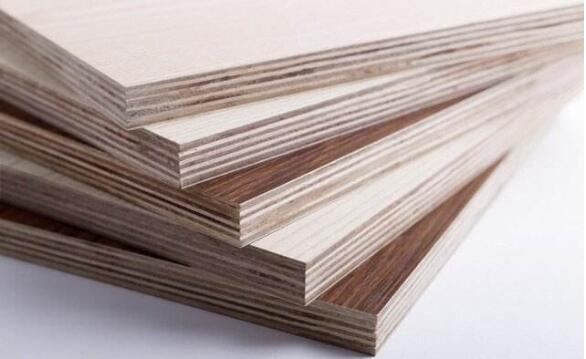
Multi layer solid wood panels combine several natural wood veneers to create a stable engineered board. Manufacturers glue and press these layers together to improve strength and reduce deformation.
As a result, furniture factories and interior designers often choose this material for cabinets, wardrobes and decorative panels.
Manufacturing Process
Manufacturers place thin wood veneers in alternating grain directions. Then they apply adhesive and press the layers under high pressure.
This cross layered structure increases stability. It also reduces the risk of warping or cracking during long term use.
Main Advantages
First, the layered structure improves structural strength. In addition, the panels maintain good dimensional stability even in changing humidity conditions.
Furthermore, the surface keeps the natural appearance of wood. Therefore it works well for visible furniture parts and decorative panels.
Applications in Interior Design
Furniture manufacturers use these panels for cabinets, wardrobes and interior wall elements. Designers also combine them with materials such as WPC wall panels.
In modern interiors, decorative surfaces like PVC marble sheets often complement these wood panels.
Environmental Performance
Many factories now use low emission adhesives. Consequently, modern panels meet strict environmental standards for indoor use.
Because of these properties, they suit residential furniture as well as commercial interior projects.
Conclusion
Multi layer solid wood panels provide stability, durability and natural appearance. For this reason, they remain a reliable material for modern furniture and interior construction.
