
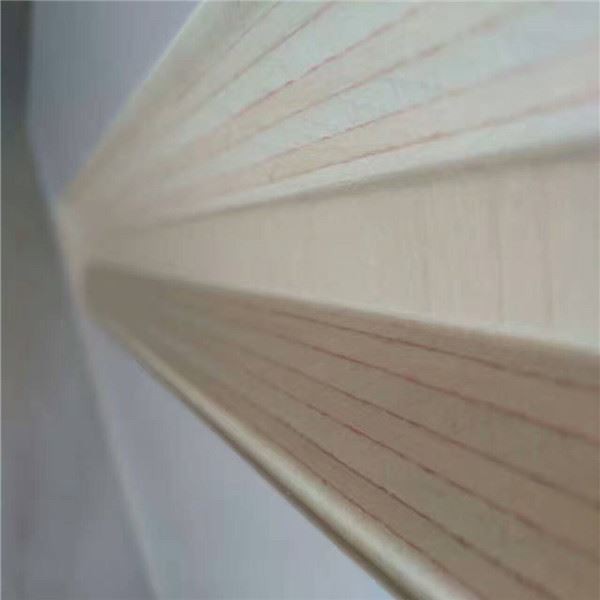
Plywood outdoor storage is a common concern for manufacturers, builders and furniture producers. Although plywood is a durable engineered wood product, improper storage conditions can affect its structure and appearance.
When plywood panels are exposed to moisture, sunlight or temperature changes, they may warp, crack or lose bonding strength. Therefore, proper plywood outdoor storage practices are essential to maintain product quality.
Plywood panels are widely used in construction and interior design projects. In modern buildings, they are often combined with materials such as WPC wall panels or decorative finishes like PVC marble sheets.
Can Plywood Be Stored Outdoors?
Plywood can be stored outdoors for short periods if it is properly protected. However, long-term plywood outdoor storage may expose the panels to rain, humidity and temperature fluctuations.
These environmental factors can damage veneer layers and reduce the structural stability of plywood panels.
Moisture Risks During Outdoor Storage
Moisture is one of the main risks associated with plywood outdoor storage. Water can penetrate the veneer layers and weaken the adhesive bonds.
Over time, repeated moisture exposure may lead to swelling, delamination or surface deformation.
Effects of Temperature and Sunlight
Temperature changes and direct sunlight can also affect plywood panels. High temperatures may accelerate moisture evaporation while cooler internal layers remain stable.
This imbalance can create internal stress and reduce panel durability.
Best Practices for Plywood Outdoor Storage
If plywood must be stored outdoors temporarily, manufacturers should protect panels using waterproof covers and raised storage platforms.
Elevating panels above the ground prevents water absorption and improves air circulation around the stacks.
Applications of High-Quality Plywood
High-quality plywood remains widely used in furniture manufacturing, structural construction and interior design. In modern projects, these panels often work alongside materials such as SPC flooring to create durable interior environments.
Conclusion
Plywood outdoor storage should be carefully managed to avoid moisture damage and structural deformation. By using protective covers, raised platforms and proper ventilation, manufacturers can protect plywood panels from environmental risks.
Proper storage practices help maintain plywood durability and ensure reliable performance in construction and interior applications.
