
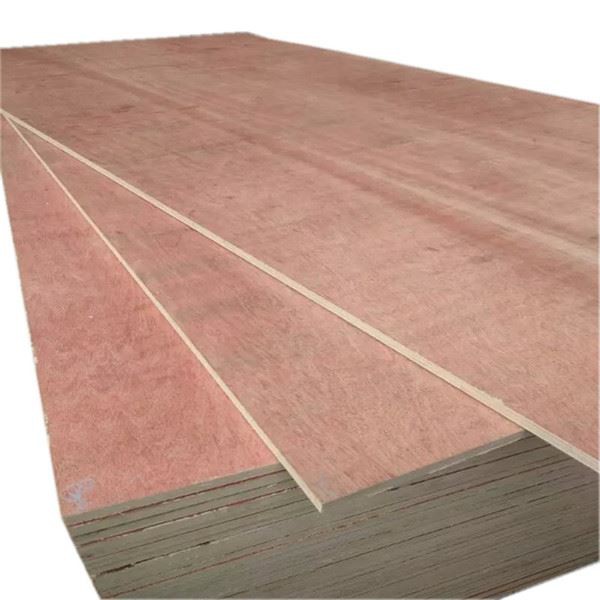
Plywood is one of the most widely used engineered wood materials in construction, furniture manufacturing and interior decoration. Its performance depends on a simple structural principle: manufacturers bond multiple thin wood veneers together in alternating grain directions. This cross-layer design improves stability, strength and resistance to deformation.
Understanding the basic principles of plywood helps buyers and contractors choose the right panel for different applications. It also helps them select suitable materials for wall panels, decorative surfaces and structural boards.
What Is Plywood?
Plywood is an engineered wood panel that manufacturers produce by bonding several thin veneer layers under heat and pressure. They place each veneer layer so the grain runs perpendicular to the adjacent layer. This structure gives plywood better dimensional stability than solid wood.
Unlike natural timber, plywood reduces swelling, shrinkage and cracking. As a result, manufacturers and contractors use it in furniture, wall panels, cabinets and construction projects.
Modern decorative buildings also combine plywood with materials such as
WPC wall panels
or exterior materials like
WPC fencing systems
to create durable architectural finishes.
The Core Principle of Plywood Structure
The most basic principle of plywood is cross lamination. Manufacturers stack wood veneers in alternating grain directions. One layer runs horizontally. The next layer runs vertically.
This balanced construction distributes internal stress more evenly across the board. As a result, plywood offers better mechanical strength and resists bending more effectively.
Main Components of Plywood
Face Veneer
The face veneer forms the visible surface layer of plywood. It determines the final appearance of the panel. Manufacturers use higher grade veneers for furniture and decorative wall applications.
Core Veneer
The core forms the internal structure of the panel. It controls strength and density. Manufacturers often use poplar, eucalyptus or hardwood mixtures for the core.
Back Veneer
The back veneer balances the panel structure. It stabilizes the board and supports the overall cross-layer design.
Why Grain Direction Matters
The direction of the wood grain strongly influences plywood performance. When manufacturers place veneers at right angles, they create a balanced structure. Therefore the board performs well under mechanical stress.
This design also reduces natural wood movement. Solid wood expands across the grain. However, plywood controls expansion because each layer stabilizes the others.
Bonding and Adhesive Performance
The bonding process is another key principle in plywood manufacturing. Manufacturers glue the veneers together and press them under high temperature.
The adhesive type determines moisture resistance and durability. Manufacturers use interior adhesives for dry conditions. They use stronger adhesives for humid environments and exterior applications.
Organizations such as
ASTM International
publish testing standards that help manufacturers and buyers evaluate wood-based panels.
Performance Benefits of Plywood
Dimensional Stability
Plywood remains more stable than solid wood. Its layered structure limits expansion and shrinkage.
Strength Distribution
The cross-grain construction distributes loads across the entire panel surface.
Versatility
Manufacturers use plywood in furniture, packaging, cabinets, decorative panels and construction formwork.
Workability
Workers can cut, drill and assemble plywood easily. It also works well with materials like
SPC flooring
in modern interior projects.
Common Applications of Plywood
Furniture manufacturers use plywood for cabinets, wardrobes and interior structures.
Construction teams use plywood for concrete formwork and structural boards. Designers also use decorative plywood surfaces in interior architecture.
Conclusion
The basic principles of plywood rely on cross-layer veneer construction and strong bonding technology. This structure improves stability, strength and durability.
Because of these advantages, manufacturers, contractors and designers continue to use plywood in furniture, construction and interior design.
Today, many manufacturers combine plywood with modern materials such as WPC decorative panels and engineered flooring to create durable building systems.
