
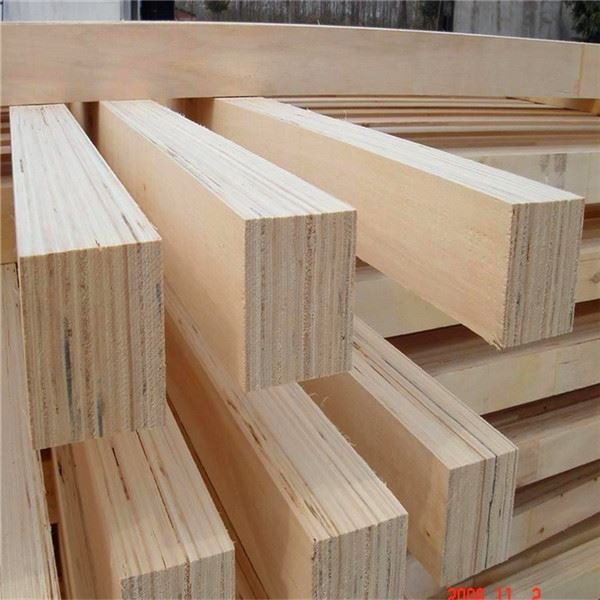
Plywood quality inspection is essential when selecting materials for construction, furniture manufacturing and interior decoration. High-quality plywood panels provide strength, stability and consistent structural performance.
However, low-quality plywood may contain internal defects, weak bonding layers or surface imperfections. Therefore, buyers and contractors must understand how to evaluate plywood panels before using them in building projects.
In modern construction and interior design, plywood panels are often combined with materials such as WPC wall panels or decorative finishes like PVC marble sheets to create durable architectural solutions.
Importance of Plywood Quality Inspection
Proper plywood quality inspection helps prevent structural problems and material waste. In addition, high-quality panels provide better load-bearing capacity and smoother surface finishes.
Construction companies and manufacturers should carefully examine plywood panels before installation to ensure they meet industry standards.
Key Factors in Plywood Quality Inspection
Veneer Layer Structure
Plywood panels consist of several thin veneer layers bonded together with adhesive. High-quality plywood uses symmetrical layer structures, which improve strength and stability.
In addition, the grain direction of adjacent layers should be perpendicular. This cross-layer structure helps distribute loads evenly across the panel.
Bonding Strength
The adhesive used during manufacturing plays a major role in plywood durability. Strong bonding ensures that the veneer layers remain firmly connected under pressure and environmental conditions.
Surface Quality
The surface of plywood panels should be smooth and free from cracks, bubbles or large knots. These defects may weaken the structural performance of the panel.
Panel Thickness Consistency
Uniform thickness across the panel ensures stable installation and consistent load distribution. Manufacturers typically produce plywood panels in standard thickness ranges depending on their application.
Applications of High-Quality Plywood
High-quality plywood is widely used in furniture production, building construction and architectural decoration. Its strength and stability make it suitable for structural frameworks, cabinets and interior surfaces.
After structural work is completed, designers often combine plywood with materials such as SPC flooring to create modern interior environments.
Conclusion
Plywood quality inspection helps buyers identify durable and reliable panels for construction and manufacturing projects. By evaluating veneer structure, bonding strength and surface quality, contractors can select materials that meet performance requirements.
Careful inspection ensures long-lasting results and improves the overall quality of building and interior design projects.