
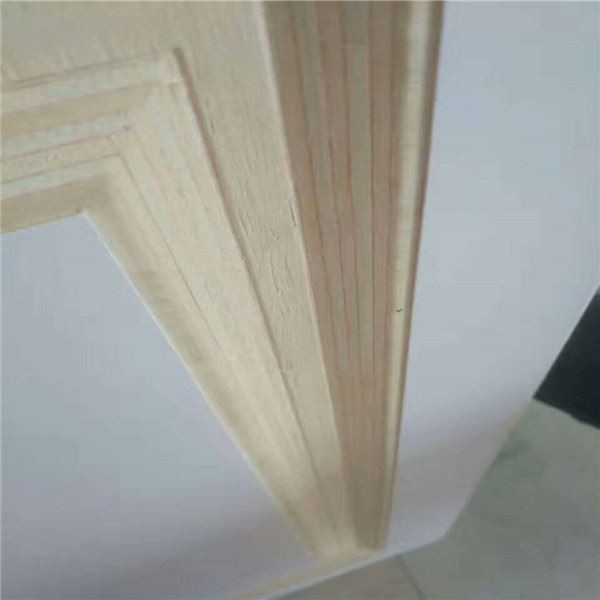
Plywood sun exposure can significantly affect the quality and durability of panels. Although plywood is widely used in construction and furniture manufacturing, prolonged exposure to direct sunlight may damage its structure.
High temperatures and ultraviolet radiation can weaken adhesive layers between veneers. Therefore, controlling plywood sun exposure is essential for maintaining panel stability and long service life.
Plywood panels are commonly used in construction and interior projects. In many buildings they are combined with materials such as WPC wall panels or decorative finishes like PVC marble sheets.
Effects of Sunlight on Plywood Panels
Direct sunlight can gradually dry the surface of plywood panels. When moisture evaporates too quickly, internal stress may develop between veneer layers.
This stress may cause cracking, warping or separation of adhesive bonds.
Temperature and Moisture Changes
Strong sunlight often increases surface temperature while the internal layers remain cooler. These temperature differences can reduce the bonding strength between veneers.
In addition, rapid moisture loss may cause surface deformation and reduce the structural performance of plywood panels.
Proper Storage to Avoid Sun Damage
To prevent plywood sun exposure, panels should be stored in shaded and well-ventilated environments. Warehouses or covered storage areas help maintain stable temperature and humidity levels.
Manufacturers should also avoid storing plywood panels outdoors for long periods.
Handling and Protection Practices
Proper stacking and protective covering can help protect plywood panels from environmental damage. Using pallets or raised platforms prevents panels from absorbing ground moisture.
These storage practices help maintain panel quality during transportation and long-term storage.
Applications of High-Quality Plywood
High-quality plywood panels remain widely used in furniture manufacturing, structural construction and interior decoration. In modern projects, they are often combined with materials such as SPC flooring to create durable interior spaces.
Conclusion
Plywood sun exposure can reduce panel durability and structural stability. By storing plywood in shaded, dry and ventilated environments, manufacturers and contractors can maintain product quality and extend panel lifespan.
Proper storage practices ensure reliable plywood performance in construction and interior applications.